
Links
Remote work as a break from workplace racism
There’s a fair bit of human resources nonsense in this article (quiet quitting, leadership jargon, etc.) but the racism described is real.
“Jobs are built on social capital. We could miss out on those happy hour opportunities,” Barton said. But he’s willing to sacrifice the in-office networking. “Honestly,” he said, “I would trade that in for my peace of mind.”Throughout the pandemic, survey after survey showed what some workers of color have known for years: Workplace politics and discrimination can make the office an undesirable place to be.
Brave New Word? A fun little web game when you guess when neologisms were coined, via waxy.org
Not from the game, but I’m always amazed the phrase “only Nixon could go to China” predates him actually going to China.
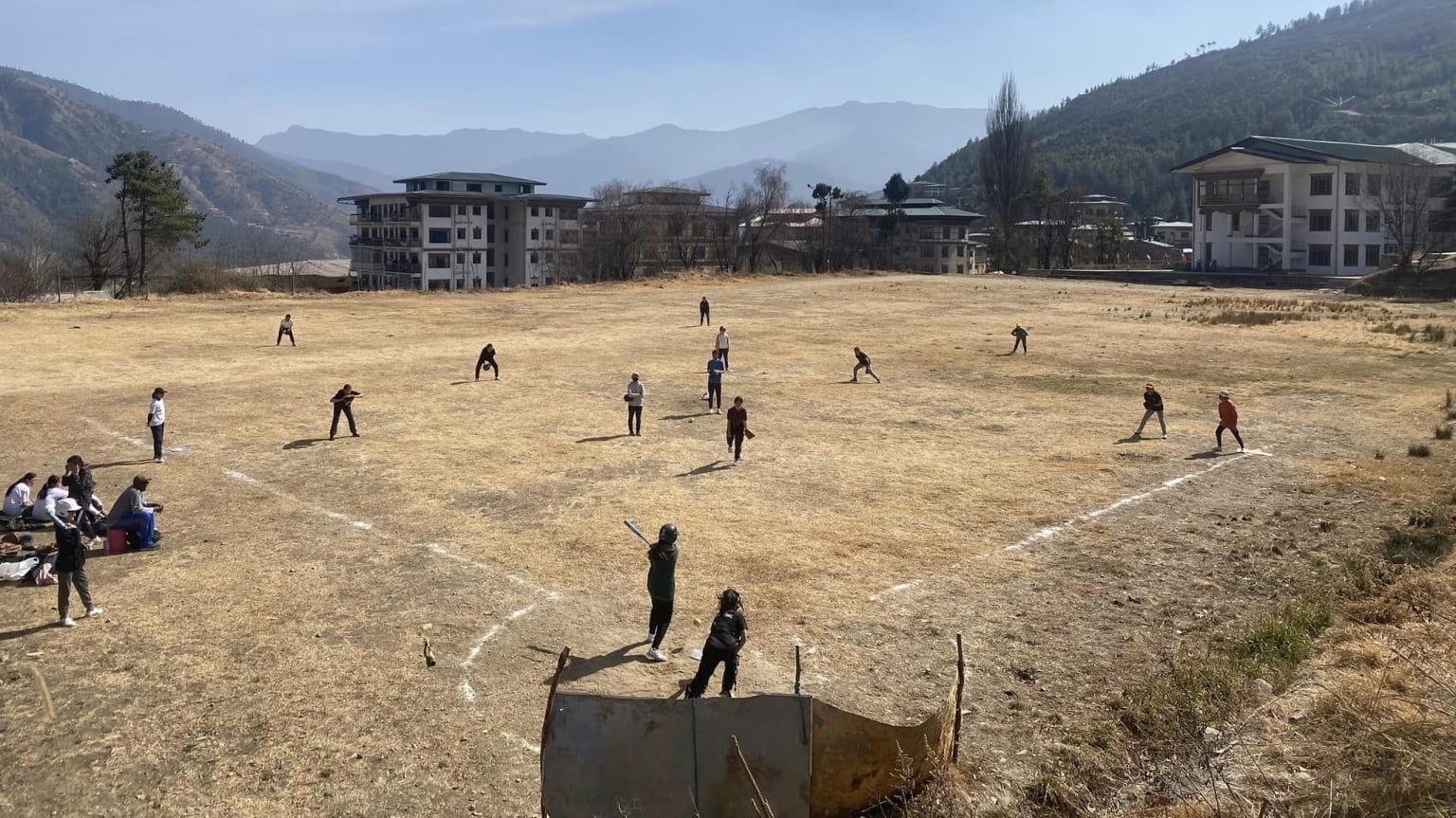
Baseball in Bhutan
“Bhutan hopes to be next great baseball country”
This is interesting, and highlights the dizzying pace of change in Bhutan. These sort of scenes would have been unimaginable when I was last there in the pre-COVID era.
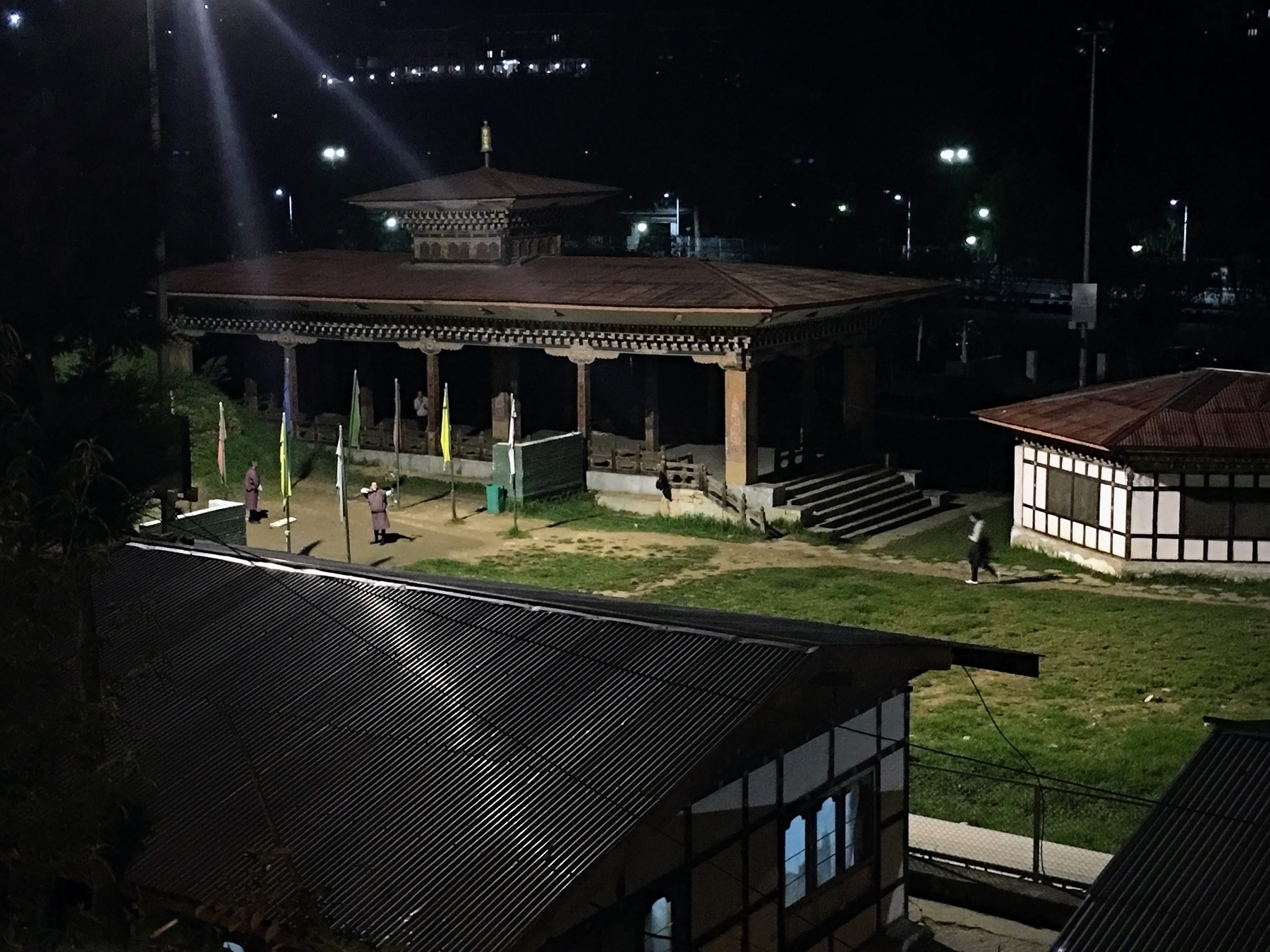
It also makes me a bit sad because darts and archery were so dominant in Bhutan, and so different to the forms of those sports in other countries.

What would the internet of people look like now?
One of the key markers of Web 2.0, in retrospect, was not the adoption of mobile, though that is certainly part of it. It was, instead, the intermediation of most interactions by algorithm.
— Read on www.theverge.com/2023/7/22/23803538/google-facebook-myspace-internet-culture-web-dot-com-crash
Fire in the Hole
Across the globe, thousands of coal fires are burning. Nearly impossible to reach and extinguish once they get started, the underground blazes threaten towns and roads, poison the air and soil and, some say, worsen global warming. The menace is growing: mines open coal beds to oxygen; human-induced fires or spontaneous combustion provides the spark.
— Read on www.smithsonianmag.com/science-nature/fire-in-the-hole-77895126/
Climate reparations: An idea whose time has come
The largest twenty-one companies analyzed would disburse $5,444 billion over the period 2025–2050.
— Read on www.cell.com/one-earth/fulltext/S2590-3322(23)00198-7
Misunderstanding Misinformation
In this sense, individual posts are not atoms, but something like drops of water. One drop of water is unlikely to persuade or do harm, but over time, the repetition starts to fit into overarching narratives—often, narratives that are already aligned with people’s thinking. What happens to public trust when people repeatedly see, over months and months, posts that are “just asking questions” about government institutions or public health organizations? Like drops of water on stone, one drop will do no harm, but over time, grooves are cut deep.
— Read on issues.org/misunderstanding-misinformation-wardle/
A considered post by Claire Wardle about how we need to think more about misinformation narratives rather than “atoms of content”.
“Oceans have been absorbing the world’s extra heat. But there’s a huge payback”
England holds his arms out wide to show the size of one cubic metre of air. To heat that air by 1C, he says it takes about 2,000 joules. But to warm a cubic metre of ocean needs about 4,200,000 joules.
“By absorbing all this heat, the ocean lulls people into a false sense of security that climate change is progressing slowly.
“But there is a huge payback. It’s overwhelming when you start to go through all the negative impacts of a warming ocean.
“There’s sea level rise, coastal inundation, increased floods and drought cycles, bleached corals, intensification of cyclones, ecological impacts, melting of ice at higher latitudes in the coastal margins – that gives us a double whammy on sea level rise.
— Read on www.theguardian.com/environment/2023/may/15/oceans-have-been-absorbing-the-worlds-extra-heat-but-theres-a-huge-payback
The New History of Old Inequality*
I don’t read much history but I thought this article by Trevor Jackson was exceptional, and offered a genuinely different view to almost all the health and economics articles dealing with inequalities. The conclusion is eye-opening – and bleak:
The best analogies for the contemporary crisis of inequality are not found in the late nineteenth and early twentieth centuries, a time of militant unions and economic growth that preceded an eventual phase of greater equality, but that does not mean there is nothing to be learned from studying the long-term dynamics of inequality.
Likewise, there is an optimism in thinking that inequality moves in waves, and that peaks like ours will be followed by a pendulum that swings back the other way towards equality. That optimism cannot survive contact with the new history of inequality, and especially the evidence that reductions of inequality are profoundly rare aberrations in the general trend of steady social polarization.
Instead, better analogies are to be found in the early modern period, those times of stagnation and decline, of increasing extraction and the destructive politics of elite wealth defence. Ours may be not a Second Gilded Age, but a New Old Regime.
Well worth a read.
References
Moon Towers


I read an article on lost objects. In it they briefly allude to moon towers, or moonlight towers, which I’d never heard of. These were 50-70m towers designed to illuminate areas up to 1km diameter areas.
The only remaining ones are in Austin, though their origins were grim:
The initial construction of these towers was in part a reaction to a local serial killer dubbed the Servant Girl Annihilator, who terrorized Austin between 1885 and 1886
Party At The Moon Tower